
Winter Skin Survival Guide: Don't Let Your Skin Flake Out!

Brrr! Winter is here, and your skin knows it. If you’re feeling more lizard than human lately, you’re not alone. Let’s talk about why your skin is rebelling against you and what to do if things get itchy.
Why Does My Skin Feel Like a Cracker? (The Science Bit)
When the air gets cold and dry, your skin loses water faster than you can say “trans epidermal water loss” (TEWL for short). Think of your skin barrier as a brick wall: the bricks are your skin cells, and the mortar is the fat and protein that keeps everything sealed. When the mortar dries out, water escapes, and your skin gets dry & flaky.
Why is the skin barrier so important?
A healthy skin barrier keeps moisture in and germs, allergens, and irritants out. If it’s damaged, you’re more likely to get rashes, infections and even allergies.
Dry Skin: The Winter Classic
Moisturize like it’s your job: Slather on thick, fragrance-free creams or ointments. Bonus points for doing it right after you shower (while you’re still a little damp).
Shower power: Keep it short and lukewarm. Hot water is for tea!!
Humidify your habitat: Your skin will thank you for adding a humidifier to your bedroom.
Dress for success: Gloves, scarves, and hats aren’t just fashion statements, they’re your skin’s winter armor.
Psoriasis: When Your Skin Has a Mind of Its Own
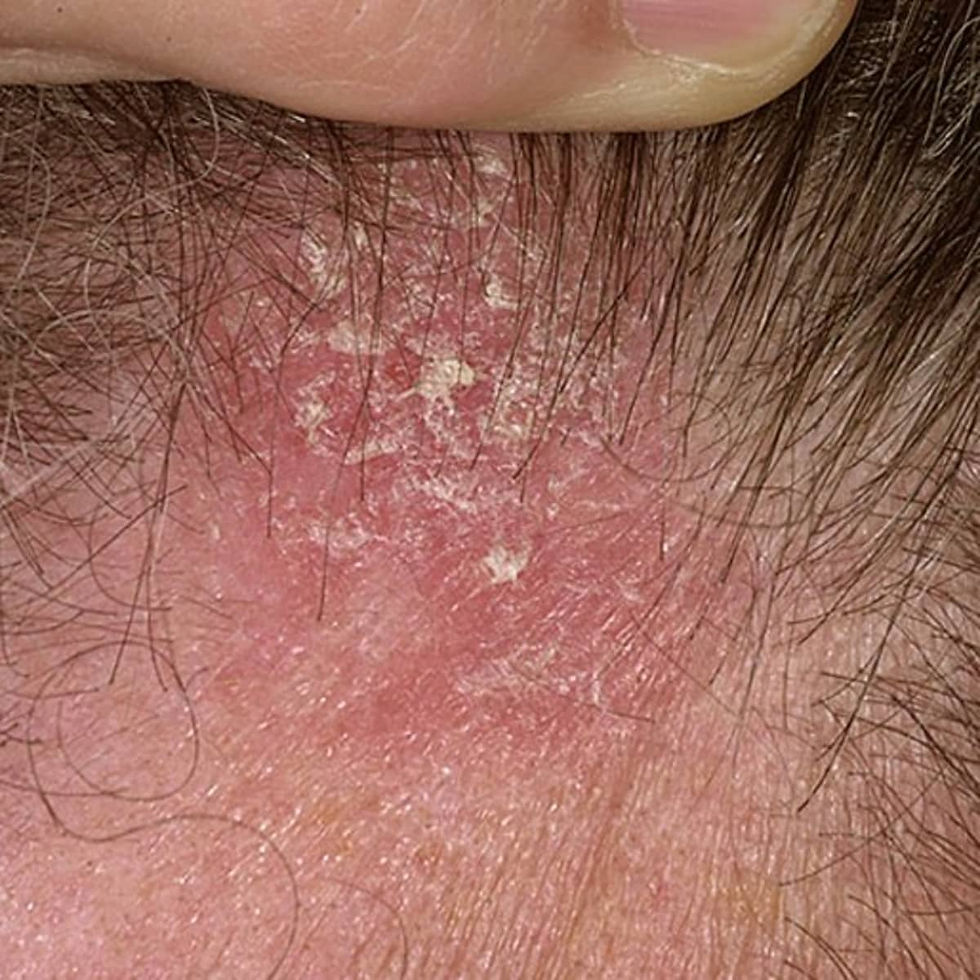
Psoriasis is an autoimmune condition that makes skin cells multiply way too fast, leading to thick, scaly patches (often on elbows, knees, scalp, and back).
Winter can make it worse, so:
Moisturize, moisturize, moisturize (with a bland moisturizer)
Avoid harsh soaps and fragrances.
Get some (safe) sun: A little sunlight can help, but don’t overdo it.
Talk to Dr C if you’re flaring; there are lots of treatment options.

Scalp Dermatoses: Flakes, Itch, and Everything in Between
If your scalp is snowing more than the mountains, you might have seborrheic dermatitis (aka dandruff), psoriasis, or just plain dry scalp.
Use gentle, medicated shampoos (look for zinc pyrithione, ketoconazole, or tar on the ingredient label).
Don’t scratch! (Easier said than done, we know - if you need to scratch, use the finger pads instead of your nails)
Moisturize your scalp with light oils - jojoba oil works well for this and is about $7 at trader joes)
Cuticle & Nail Health: Don't Let Winter Steal Your Manicure
Dry air = dry cuticles and brittle nails. Here’s how to keep your hands looking less “winter witch” and more “spa day”:
Moisturize cuticles with thick creams or oils (plain white petrolatum is the best and costs almost nothing).
Wear gloves when washing dishes.
Trim nails regularly and never bite or pick the nails/cuticles.
Fungal Foes: Tinea & Friends
Fungi love warm, damp places, like sweaty socks, underneath the breasts, or the nape of your neck.
Athlete’s foot: Itchy, peeling skin between toes.

Tinea: Red, ring-shaped rashes.

Nail fungus: Thick, yellow, crumbly nails.

Prevention:
Keep feet dry, change socks often, and don’t share towels or nail clippers. If you spot a rash, over-the-counter antifungals usually do the trick but sometimes requires a prescription - Dr C is often able to diagnose most rashes with a video visit or even just photos.
When to Reach Out:
Skin is cracked, bleeding, or infected (golden colored crusties, or pus)
Rash is spreading or not improving
Nails are changing color or shape
Scalp issues are severe or causing hair loss
ANY scarring (note that scars can be darker/hyperpigmented OR can be lighter/hypopigmented).
Remember: Your skin is your body’s superhero cape. Treat it well, and it’ll protect you too.
Stay warm, stay moisturized!
Warmly,

Aditi Correa, MD, MSCP
Your Partner In Health


Comments