
Common Foot Problems: A Guide for Our Patients

Your feet carry you through life, taking approximately 5,000 to 10,000 steps each day. It's no surprise that foot problems are among the most common complaints we see in primary care. The good news is that most foot conditions can be effectively managed with proper care and early intervention. This newsletter will help you understand, recognize, and address the most common foot problems.
Plantar Fasciitis: The Morning Heel Pain

What is it?
Plantar fasciitis is the most common cause of heel pain, affecting more than 1 million Americans each year. It occurs when the thick band of tissue running along the bottom of your foot becomes inflamed or develops small tears.
How to recognize it:
Sharp, stabbing pain at the bottom of your heel, especially with your first steps in the morning
Pain that improves after walking but may return with prolonged standing
Tenderness when pressing on the inner heel area
What you can do:
The most effective treatments are simple and can be done at home:
Stretching exercises: Gently stretch your plantar fascia and calf muscles daily. Pull your toes back toward your shin while seated, holding for 30 seconds
Supportive footwear: Wear shoes with good arch support and cushioning. Prefabricated shoe inserts work just as well as expensive custom orthotics
Ice massage: Roll your foot over a frozen water bottle for 10-15 minutes after activity
Activity modification: Avoid prolonged standing and high-impact activities during flare-ups
When to see your PCP (Primary Care Provider):
While most cases improve with home care, contact your PCP if pain persists beyond 4-6 weeks or significantly limits your daily activities. Your PCP can help discuss additional treatments such as physical therapy, night splints, or targeted injections.
Bunions and Hammertoes: Structural Changes
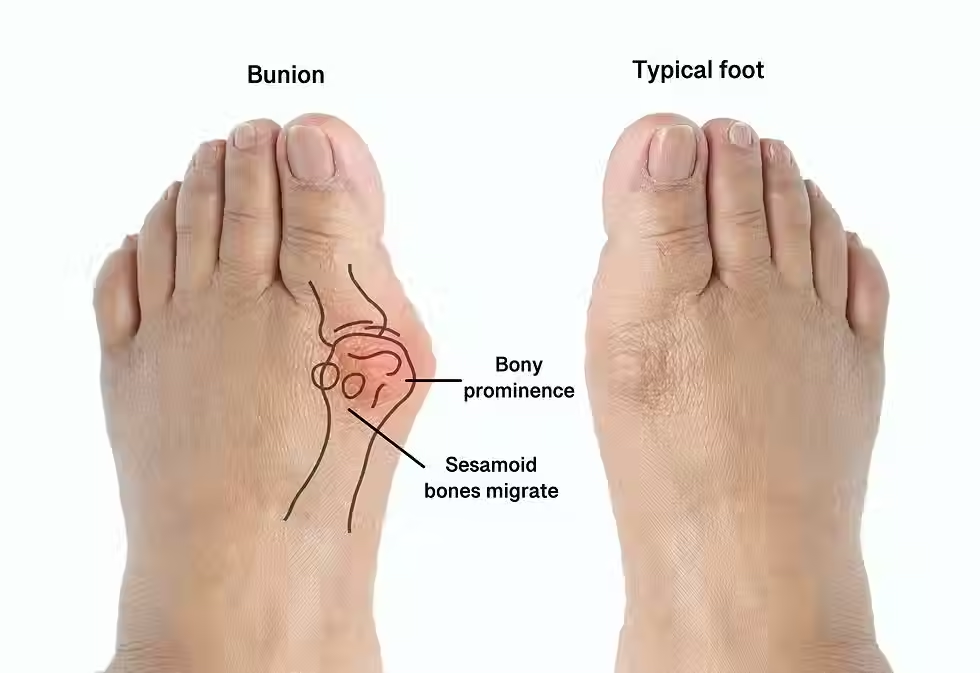
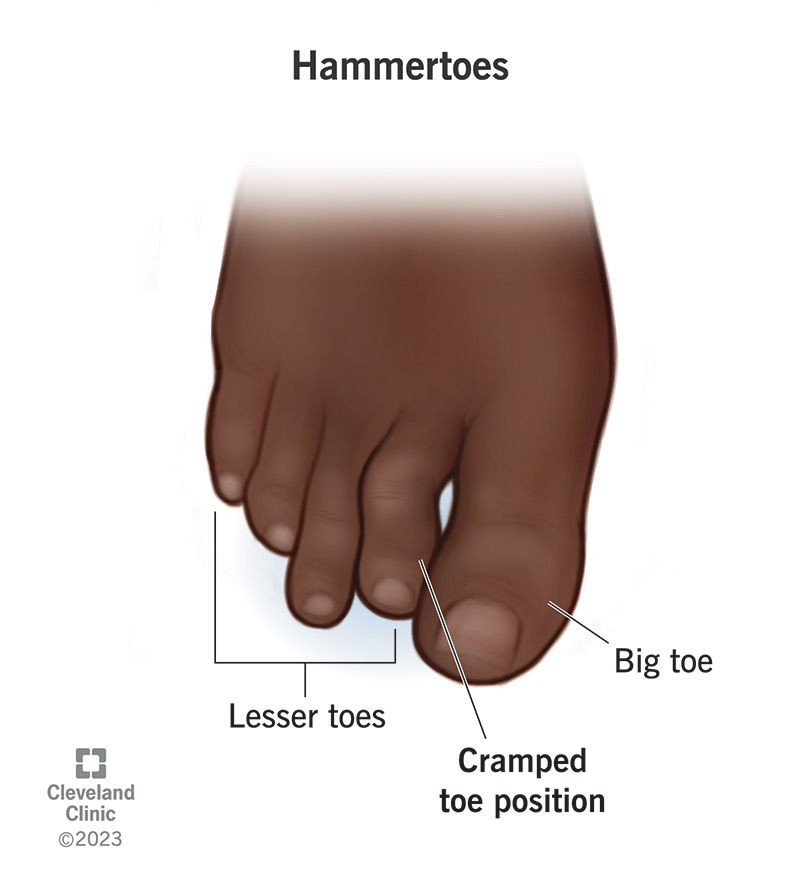
What are they?
Bunions are bony bumps that form at the base of your big toe, causing it to angle toward your other toes. Hammertoes occur when your smaller toes bend abnormally at the middle joint, creating a hammer-like appearance.
How to recognize them:
Visible bump on the side of your big toe (bunion)
Toes that curl or bend downward (hammertoes)
Pain when wearing shoes
Corns or calluses where toes rub against shoes
What you can do:
Choose proper footwear: Wear shoes with a wide, deep toe box that doesn't squeeze your toes together
Use protective padding: Cushioned pads can reduce pressure on painful areas
Try toe spacers: These can help separate toes and reduce discomfort
Consider orthotics: Shoe inserts with metatarsal pads can relieve pressure on the ball of your foot
When to see your PCP:
If conservative measures don't provide relief or if the deformity is progressing and affecting your quality of life, your PCP can help discuss whether referral to a foot specialist is appropriate.
Toenail Problems: Fungal Infections and Ingrown Nails
Fungal Nail Infections (Onychomycosis)
How to recognize it:
Thickened, discolored nails (yellow, brown, or white)
Brittle, crumbly nails
Nail separation from the nail bed
Foul odor
What you can do:
Keep feet clean and dry
Wear moisture-wicking socks and breathable shoes
Avoid walking barefoot in public areas like pools and locker rooms
Trim nails straight across and keep them short
Treatment options: For mild to moderate infections, Dr. Correa may recommend topical antifungal medications such as efinaconazole or tavaborole, which are applied daily for up to 48 weeks. For more severe infections, oral medications like terbinafine are more effective but require monitoring for potential side effects.
Ingrown Toenails
How to recognize it:
Pain, redness, and swelling along the side of your toenail
Tenderness when pressure is applied
Sometimes drainage or infection
What you can do:
Soak your foot in warm water for 15-20 minutes several times daily
Gently lift the nail edge and place a small piece of cotton underneath
Wear shoes with adequate toe room
Trim nails straight across, not curved at the corners
When to see your PCP: If you notice signs of infection (increased redness, warmth, pus) or if home care doesn't improve symptoms within a few days, your PCP can provide treatment ranging from simple office procedures to referral for definitive care.
Special Considerations for Patients with Diabetes

If you have diabetes, foot care requires extra attention. Nerve damage (neuropathy) can prevent you from feeling injuries, and poor circulation can slow healing.
Essential foot care for diabetic patients:
Inspect your feet daily for cuts, blisters, redness, or swelling
Never walk barefoot, even indoors
Check water temperature with your hand before bathing
See your PCP for annual comprehensive foot examinations
Report any foot problems immediately, even minor issues can become serious
Dr. Correa may recommend specialized therapeutic footwear and regular visits with a podiatrist if you have neuropathy, previous foot ulcers, or circulation problems.
Morton's Neuroma: The "Pebble in Your Shoe" Feeling
What is it?
Morton's neuroma involves thickening of tissue around a nerve between your toes, most commonly between the third and fourth toes.
How to recognize it:
Burning pain in the ball of your foot
Numbness or tingling in your toes
Feeling like you're standing on a pebble
Pain that worsens with tight shoes or walking
What you can do:
Wear shoes with a wide toe box and good arch support
Use metatarsal pads or orthotics to reduce pressure
Avoid high heels and narrow shoes
Reduce activities that aggravate symptoms
When to see your PCP:
If symptoms persist despite footwear changes, your PCP can help discuss additional treatments including corticosteroid injections or referral to a specialist.
Prevention: Your Best Defense
Many foot problems can be prevented with these simple strategies:
1. Choose appropriate footwear: Shoes should fit properly with adequate room for your toes, good arch support, and cushioning
2. Maintain a healthy weight: Excess weight increases stress on your feet
3. Stay active: Regular stretching and strengthening exercises keep feet flexible and strong
4. Practice good hygiene: Keep feet clean and dry, and change socks daily
5. Inspect your feet regularly: Early detection of problems allows for prompt treatment
When to Contact Us
Schedule an appointment if you experience:
Persistent pain that doesn't improve with home care after 2-4 weeks
Signs of infection (redness, warmth, swelling, drainage)
Sudden severe pain or inability to bear weight
Numbness or tingling that doesn't resolve
Any foot problem if you have diabetes
Final Thoughts
Your feet are the foundation of mobility. With timely communication, Dr. C can diagnose & manage many podiatric conditions even over telehealth. Early intervention almost always leads to the best outcomes!
Always here to help you stay grounded,

Aditi Correa, MD, MSCP
Your Partner In Health


Comments